Guides
Hurricane season courier backup routes: Gulf Coast storm plans
How Gulf Coast couriers build hurricane season backup routes, reroute parcels around bridge closures, and price storm downtime into route revenue. Math included.

How Gulf Coast couriers build hurricane season backup routes, reroute parcels around bridge closures, and price storm downtime into route revenue. Math included.
Sales tax on delivery fees by state varies by product and invoice terms. This six-state overview covers courier nexus, invoice checks, and a white-glove quote.
Courier bookkeeping runs on records tied to routes and stops, so learn what to log at pickup, at drop, and at month end, and when each entry is due.
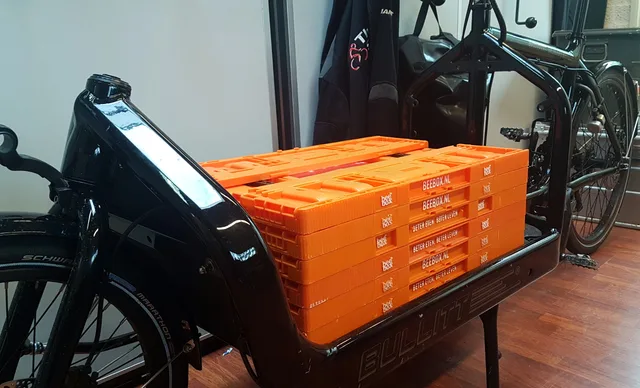
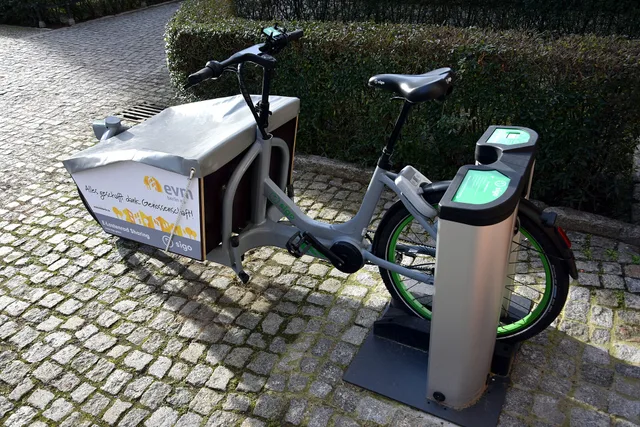
Five delivery trends to watch in 2027: route density, cargo bikes, quoted delivery windows, per-stop pay and cross-border parcels, and how each reaches your books.
Cannabis delivery license by province: Canadian boards such as AGCO, BCLDB, AGLC and SQDC authorize delivery. See documents, triggers and timelines.
Courier driver employee vs contractor Canada shapes CRA rulings, T4A vs T4 slips, and GST/HST duties. Use the four-fold test before signing.
Cross border parcel delivery customs duty depends on value, classification, origin and destination. See cost factors and an illustrative landed-cost example.
Delivery driver contractor or employee status hinges on IRS common-law factors and state ABC tests. Misclassification can trigger back taxes, penalties, wage claims.
FedEx Ground contractor earnings per route come from per-stop and per-mile pay. Compare P&D, linehaul, multi-route, and rural options on margin and DOT burden.
Local delivery contracts hide their risk in a handful of clauses, and those clauses decide who pays when a missed delivery window or damaged parcel goes wrong.
Medical courier HIPAA compliance checklist basics for route readiness, BAA triggers, safeguards, breach response, and general permit checks.
Same day delivery rates for retailers from DoorDash Drive and Uber Direct, including per order fees, hidden charges, and where local couriers win on dense routes.
White glove delivery pricing per stop in the US runs $60 to $250 before stairs, assembly, and threshold fees, which often add $15 to $75 each.
Lastmile delivery in Portland and Seattle needs no city-issued bike courier permit; couriers still need local registration, and clients may require insurance.
Denver courier routes lose engine power, battery cranking amps and stop time to altitude and snow, so plan each winter delivery around both.
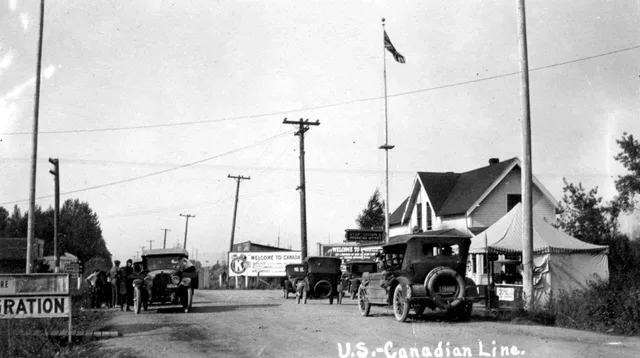
Cross-border parcel delivery between the US and Canada runs on CBP and CBSA clearance, complete courier paperwork, and the right carrier for each border lane.
Local courier fleets must settle FMCSA registration, a USDOT number, insurance filings and driver files before the first route leaves the dock.
A local delivery business keeps service quality honest by tracking failed drop-offs, late arrivals, customer callbacks, and driver route times at each stop.
Gulf Coast couriers get three hurricane steps: watch FEMA and NOAA alerts, check insurance exclusions, and tell customers when routes stop and restart.
Schedule C, 1099-NEC forms and worker classification rules decide what a US courier business pays, what it owes the IRS and who carries the risk.
Three sample local delivery quotes show how stop counts, wait time and rush fees turn into a final price a customer will actually sign off on.
Los Angeles parking rules shape same-day courier routes, from yellow zone loading limits and time restrictions to escalating citations and permit layers.
Minneapolis winters run colder and hold snow; Chicago winters swing between freeze and thaw, and each city asks different things of a courier route.
Parcel lastmile authority differs across California, Texas and New York, with distinct state rules, local requirements, and filing steps for courier operators.
Parcel lastmile resale means a carrier account, a handoff point and a spread. Here are the terms to check: volume commitments, surcharges, control, compliance.
Compare vans by route, payload and cargo fit; review telematics providers and pricing; calculate cost per stop before choosing local delivery equipment.
A local delivery compliance checklist to run before you accept a job: who holds custody, what you refuse, which vehicle rules apply and whether the route pays.
A 2027 delivery package lists the service, the vehicle, the proof of delivery, the insurance cover and the price per stop, not a promise to deliver.
Startup costs for a local delivery business break into vehicle, insurance, software and licensing lines, and each one has a matching funding route.
Restaurant delivery app comparison Canada: assess commission terms, GST/HST, Quebec menu rules and regional fit before choosing a platform.
Ranked delivery markets for 2027 come down to stop density, driver wages, cargo bike rules and local fuel prices, not a single national benchmark.
The local delivery KPIs a first-year owner should track: on-time rate, first-attempt success, damage claims, route earnings, cost per stop, repeat rate and capacity, with a worked example for each.
A flat rate priced for one zone can lose money once a farther second zone is added. Price the extra miles, then write the surcharge into the proposal.
Local delivery employee pay may be hourly, per stop, or per mile. See how route costs, roles, and payroll rules shape what a courier business can offer.
A daily SOP for local delivery splits into opening, running and closing phases, each with named checks a dispatcher can sign off before every shift.
A guide to 25 delivery companies, their business models and footprints, and how first-year owners can assess fit without copying the wrong operating model.
Local delivery software in 2027 hinges on dispatch, routing, proof of delivery and driver pay, so the subscription you pick decides your cost per stop.
Price a local delivery account from an ordinary week: cost per stop and per mile, the stop-per-mile density check, a peak checklist and named owners.
Price local delivery services from your own cost per stop, then test a retailer's offer against that floor and counter with a surge and breakdown clause.
A local delivery discovery call sets the stop count, the vehicle, and the price before anyone signs. Get those three wrong and the route loses money.
Route schedules should come from your own stop data, drive times and capacity, not from a benchmark borrowed from another courier operation.
Start a local delivery business by building the first route's cost per stop, then let stop density decide between a cargo van and a cargo bike.
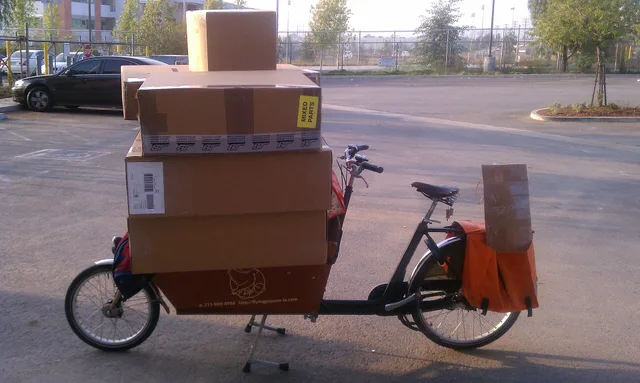
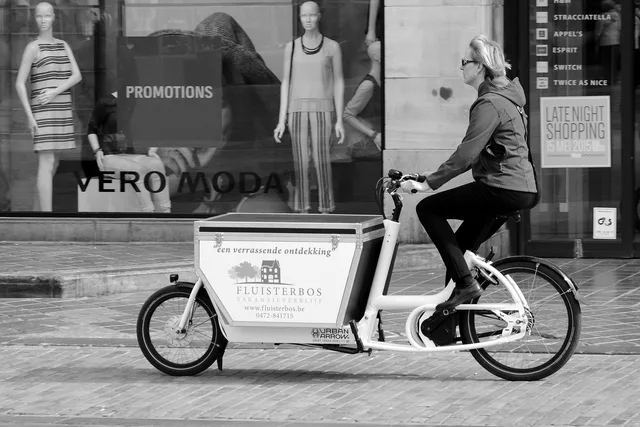
Cargo bikes, vans, insulated bags and handheld scanners reviewed for what each does well and where each one fails on a real working courier route.
The delivery equipment a new courier business buys first: vehicle, insulated bags, hand truck, scanner, and the paperwork that keeps it legal.
Local delivery expansion starts by naming the move, then measuring four weeks of cost per stop, stops per hour and contribution per route before you sign.
Hiring couriers and dispatchers starts with the delivery routes they run, the pay structure, and the paperwork each role must carry, plus training.
Commercial auto, cargo, general liability and workers' comp cover a delivery fleet, and each policy leaves a gap the next one does not close.
Courier compliance runs on dispatch records, driver files, cargo securement evidence and vehicle inspection logs, not on a generic checklist.
Follow local delivery operations from order intake and depot sorting through dispatch, pickup, delivery proof, exceptions, returns, and invoicing.
A one-van courier operation breaks even at a stop count you can calculate from its own fixed costs, driver wages, fuel and cost per mile driven.
Local delivery sales depends on routes you can cover, pricing based on your own records, proof buyers can trust, and a clear handoff from sales to dispatch.
Bundle local delivery services by the problem each one solves, the vehicle it needs and the records it leaves behind, not by a borrowed national benchmark.
What a local delivery startup involves: the four operating models, a way to figure cost per stop, insurance types, permits, and a first ninety days plan.
Choose how to charge for a profitable local delivery route: flat route rate, per-stop rate or a route minimum, matched to density and tested on cost per stop.
New vs used local delivery equipment: learn how route demands, warranties, service history and repair risk can shape a courier's purchasing decision.
Local delivery license requirements depend on route, vehicle weight, cargo and city. This US guide covers the 10,001-pound federal line, state permits, city licenses, insurance and renewals.
Guides
Lastmile delivery in Portland and Seattle needs no city-issued bike courier permit; couriers still need local registration, and clients may require insurance.
Guides
Denver courier routes lose engine power, battery cranking amps and stop time to altitude and snow, so plan each winter delivery around both.
Guides
Cross-border parcel delivery between the US and Canada runs on CBP and CBSA clearance, complete courier paperwork, and the right carrier for each border lane.
Guides
Local courier fleets must settle FMCSA registration, a USDOT number, insurance filings and driver files before the first route leaves the dock.
Guides
Gulf Coast couriers get three hurricane steps: watch FEMA and NOAA alerts, check insurance exclusions, and tell customers when routes stop and restart.
Guides
Schedule C, 1099-NEC forms and worker classification rules decide what a US courier business pays, what it owes the IRS and who carries the risk.
Guides
How Gulf Coast couriers build hurricane season backup routes, reroute parcels around bridge closures, and price storm downtime into route revenue. Math included.
Guides
Sales tax on delivery fees by state varies by product and invoice terms. This six-state overview covers courier nexus, invoice checks, and a white-glove quote.
Guides
Courier bookkeeping runs on records tied to routes and stops, so learn what to log at pickup, at drop, and at month end, and when each entry is due.
Guides
Five delivery trends to watch in 2027: route density, cargo bikes, quoted delivery windows, per-stop pay and cross-border parcels, and how each reaches your books.