Guides
Local delivery equipment essentials for a new business
The delivery equipment a new courier business buys first: vehicle, insulated bags, hand truck, scanner, and the paperwork that keeps it legal.
What to take away
Local delivery equipment essentials start with the vehicle, then the insulated bags, hand truck, scanner, and paperwork that keep a new courier legal.
- The vehicle decides the rest of the list. A cargo bike, a sedan, a minivan and a box van each cap what you can accept. Buy the vehicle against the work you have sold, not the work you hope for.
- Insulated bags, a hand truck, a phone mount and a spare battery stop a route from failing on day one. Named examples below carry typical prices.
- Cargo securement is a legal duty, not a packing preference. FMCSA sets the interstate rules; your state DOT sets the rest.
- Keep purchase receipts, maintenance logs and mileage records together from the first day. The IRS lists what a recordkeeping system has to show.
- Anything touching licensing, insurance, tax or customs goes to the authority that sets it, then to a licensed professional.
The vehicle comes first
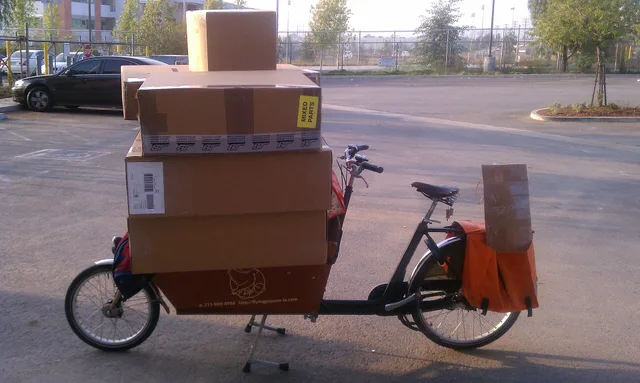
Every other purchase hangs off the vehicle. A cargo bike carries 50 to 80 pounds of parcels and parks anywhere. A sedan carries a few small boxes in the trunk. A minivan or cargo van carries volume, but needs commercial plates and a place to park overnight.
Real models show the range. Rad Power Bikes RadRunner 2 listed around $1,499 when new and rates a 300-pound payload. Tern GSD models often list above $4,000 and carry heavier loads.
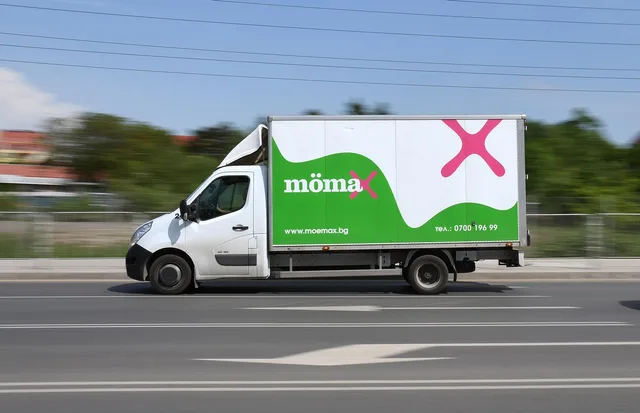
Used Ford Transit Connect, Ram ProMaster City and Mercedes Metris vans often sell for $15,000 to $35,000, depending on year and miles. New full-size Ford Transit and Ram ProMaster vans often list from the low $40,000s.
Match the vehicle to the route you have already sold. A courier running dense downtown stops by bike beats a van stuck in traffic and hunting for parking. A courier hauling furniture needs the van and a second pair of hands.
Work the arithmetic before you sign anything. Take your expected stops per day, your average minutes per stop, and your loaded and unloaded driving time. If the total exceeds your available hours, you need a second driver or a smaller service area, not a bigger vehicle.
The equipment list: bags, carts, scanners, cold chain
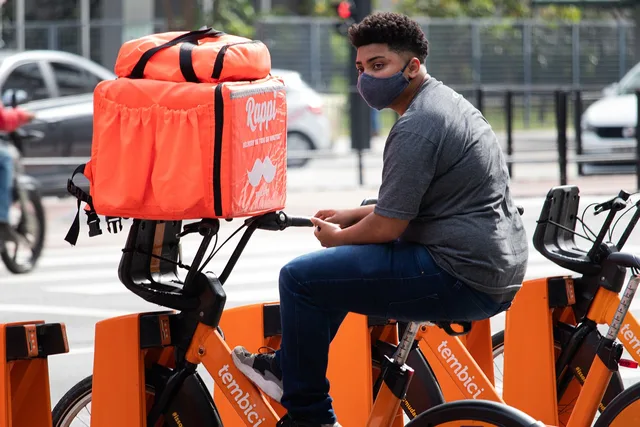
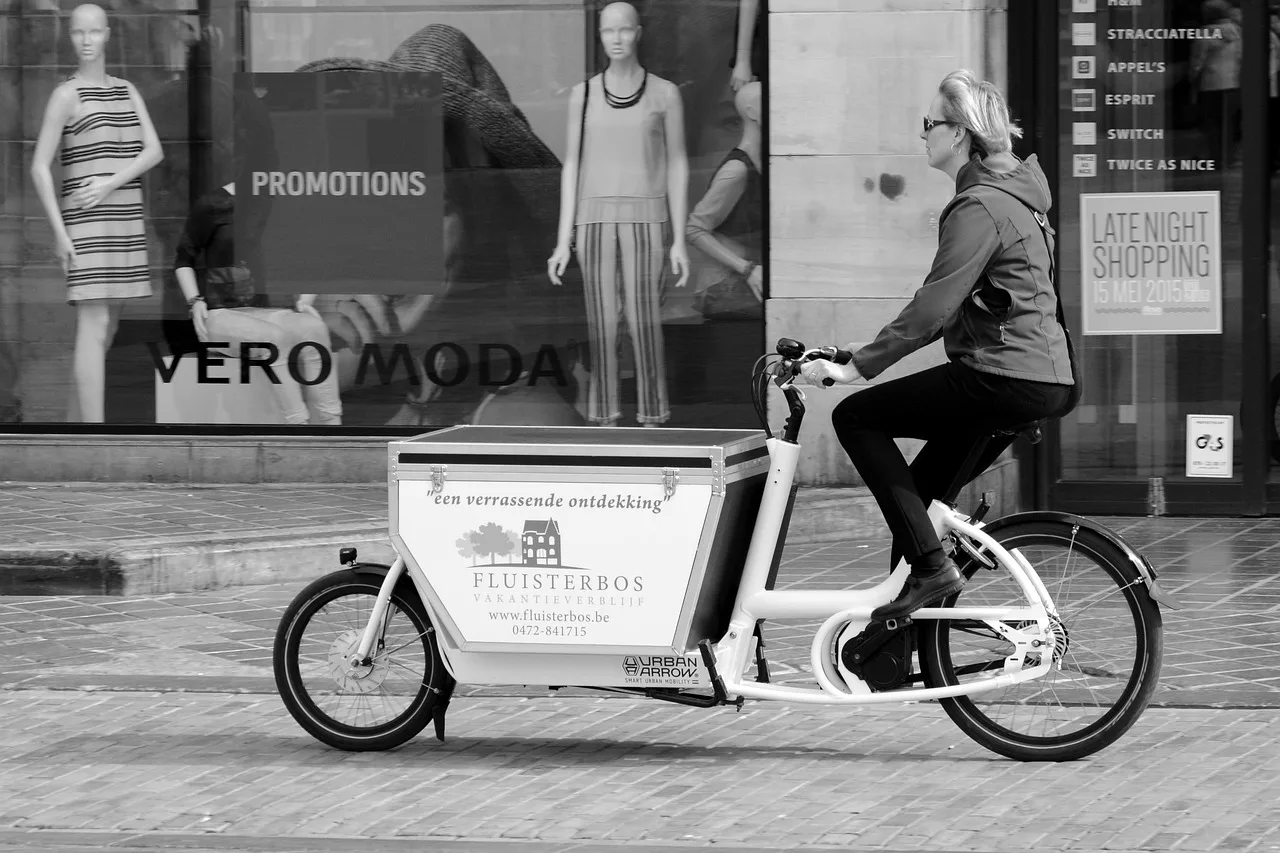
- Cargo bike or e-bike.For dense urban routes under about five miles. Rad Power Bikes RadRunner 2 lists around $1,499 with a 300-pound payload. Tern GSD models list above $4,000 and take a second battery. Needs a lock rated for the neighborhood, panniers, and a charging plan.
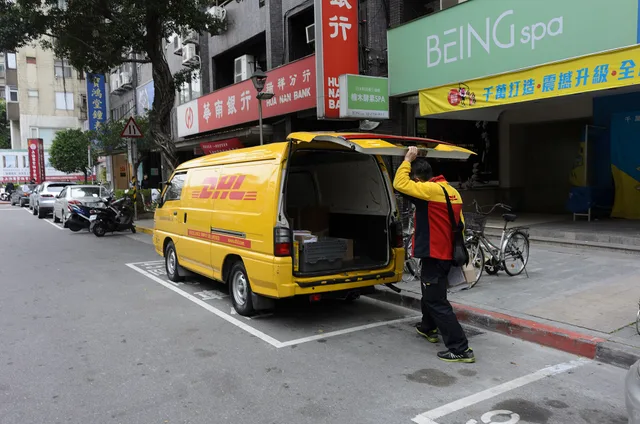
- Cargo van or minivan.For volume, bulk or multi-stop commercial work. Ford Transit Connect, Ram ProMaster City and Mercedes Metris are common used small vans. Check payload rating as well as cargo volume. New Ford Transit and Ram ProMaster vans often list from the low $40,000s.
- Insulated delivery bags.Rigid or soft-sided, sized to your common order. Packir and Arctic Zone make soft-sided bags that often cost $50 to $150. Cambro GoBox carriers and Pelican coolers are rigid options that often cost $200 to $400. Food and pharmacy work needs temperature hold times you can verify.
- Hand truck or convertible dolly.For anything over 50 pounds or any building without a loading dock. Magliner Gemini and Harper Trucks models often list $250 to $600. The Cosco Shifter folding dolly often lists $100 to $150. Stair-climbing models cost more and earn it back on walk-ups.
- Phone mount and charger.A route app drains a battery in three hours. RAM Mounts X-Grip and Quad Lock mounts often cost $50 to $100. Carry a 12-volt charger and a power bank.
- Barcode scanner or phone scanner app.Proof of delivery is the record that settles a dispute. Zebra DS2208 and Honeywell Voyager 1250g scanners often list $100 to $300. Scan at pickup and at drop.
- Personal protective equipment.High-visibility vest, gloves, and weather gear. OSHA safety management guidance covers finding and fixing hazards before they cause injury.
- Tie-downs and load bars.Straps, cargo nets, and load bars keep parcels from shifting. Keeper and Erickson straps often cost $20 to $50. Kinedyne load bars often cost $50 to $150. FMCSA cargo securement rules explain the performance duty that applies.
- Cooler or cold chain tote.For pharmacy, meal kits, and any temperature-sensitive contract. Pelican Elite coolers often cost $200 to $500. ThermoSafe insulated shippers often cost $50 to $200.
- Delivery log and receipt book.Paper backup for the day the app will not load.
Paperwork that travels with the equipment
The vehicle registration, insurance card, and any permit your city requires stay in the cab. A courier permit from Portland or Seattle, a business license, and a commercial auto policy are separate documents. Each has its own renewal date.
Keep the purchase receipts, warranty cards, and service records for every item above. IRS recordkeeping guidance explains what a recordkeeping system has to show. A shoebox of receipts is not one.
If you cross into Canada, the parcel paperwork is a customs question, not a courier question. CBP and a licensed customs broker handle classification and entry.
Before you buy anything
- Confirm the vehicle can legally carry the load and park where you deliver.
- Check whether your city requires a courier or delivery permit.
- Ask your insurance broker what the policy covers before the first parcel moves.
- Price the whole kit, not the vehicle alone. Include bags, cart, scanner, tie-downs, and cold chain.
- Test one bag, one dolly, and one scanner on a real route before ordering five.
The order of purchase matters less than the order of decisions. Vehicle, then securement, then cold chain, then proof of delivery. Each one constrains the next.
If you are still deciding how to position the service in the first place, how to start a local delivery business that fits its market walks through matching the offer to the routes your area will actually pay for.
Once the vehicle and route are settled, local delivery equipment reviewed: what holds up and what does not goes deeper on which bags, dollies, and scanners survive daily use.
Common questions
Do I need a commercial vehicle to start?
Not always. A sedan or minivan registered for personal use can carry small parcels in many jurisdictions, but commercial plates, insurance, and parking rules vary by state and city. Confirm with your state motor vehicle agency and your insurer before you take paid work.
What is the single most expensive mistake?
Buying capacity you have not sold. A van payment, insurance, and parking run every month whether the route exists or not. Start with the smallest vehicle that covers your signed work.
How do I handle food or pharmacy deliveries?
Temperature control and chain of custody are the two requirements. Insulated bags with a verified hold time cover the first. A scanned proof of delivery with a timestamp covers the second. Licensing for pharmacy and alcohol varies by state, so check with the state board that issues it.
Where does the equipment list stop?
It stops where a licensed professional takes over. FMCSA and your state DOT govern operating authority and cargo securement. The IRS governs records and worker classification. Your state insurance regulator governs coverage. A CPA, a licensed broker, and an attorney answer the rest.