
Guides
New vs used local delivery equipment: decision factors
New vs used local delivery equipment: learn how route demands, warranties, service history and repair risk can shape a courier's purchasing decision.
A local delivery operator had to replace equipment before taking on a dense-city account that valued reliable, on-time service. A used van appeared to offer a substantial saving, but the operator did not make the listing price the starting point. The route defined the vehicle class; inspection, fit-out, and downtime risk determined whether used remained credible.
Step one: let the route define the candidate
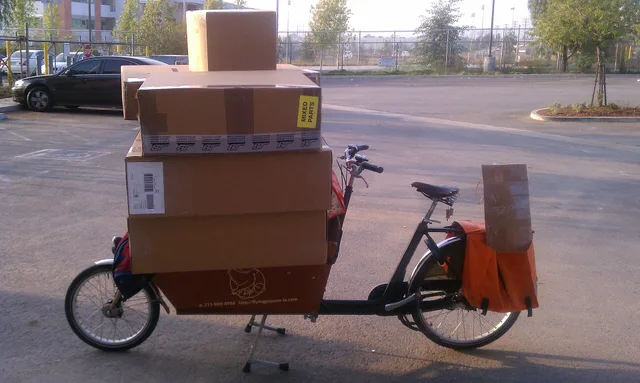
The route profile narrowed the choice to a small van or cargo bike: the dense-city account involved 40 stops across six miles, and parcels were not bulky.
Because the customer valued reliable, on-time service, the operator treated fit and uptime as requirements before comparing a new purchase with a used one.
The operator wrote down stop count, mileage, parcel weight, and the tightest street or dock. This information became route evidence and was considered alongside the market served. A different job, such as 12 stops with furniture-sized parcels, would instead point toward payload capacity and a lift gate.
Match vehicle to route
Is the route dense with many stops?
small van or cargo bike
van with payload and lift gate
Step two: make the discount earn its place
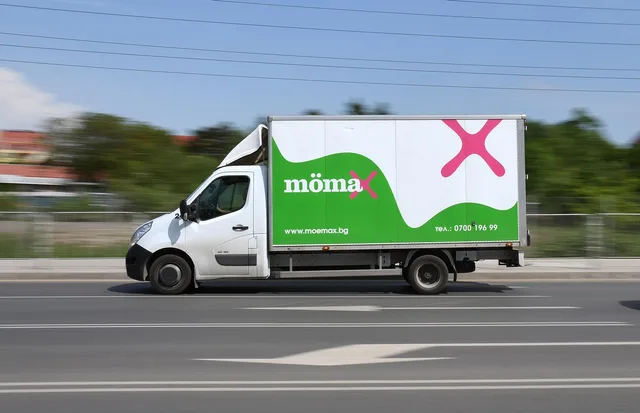
With the vehicle class settled, the operator inspected a used Transit Connect listed at 80,000 miles for roughly half the price of new. That discount was promising, but it did not establish value; condition and the chance of being out of service still had to be assessed against account expectations.
The operator requested service records, booked a pre-purchase inspection, and scanned emissions and transmission codes. Records were incomplete, so a timing belt, brakes, and tires were treated as possible first-year needs. The comparison included both likely repairs and time without a vehicle, instead of assuming the listed van was ready to work.
Step three: price the working setup
Next, the operator priced the working setup, not just the vehicle. The checklist included delivery bags, a handheld scanner, shelving, tie-downs, and applicable cargo securement rules. Those items could not be postponed from the comparison, because the van had to be equipped for the account before service began.
Insulated bags from Polar Bear or Arctic Zone cost $40 to $150. A new Zebra or Honeywell handheld scanner costs $300 to $900, and a used unit costs less. Shelving and tie-downs add $1,500 to $4,000. Federal interstate performance rules may be supplemented by state requirements, so the cargo securement standard belongs in the compliance check.
New van list prices
- low $30,000sFord Transit Connect
- near $50,000Mercedes-Benz Sprinter
- betweenRam ProMaster
Step four: decide what failure would cost
At the decision point, the new vehicle cost more and would depreciate as soon as it left the lot, but it offered more predictable downtime.
The used Transit Connect kept a lower entry price, yet missing service history and possible wear work made it a less certain choice for this account.
| Check | Used Transit Connect | New vehicle |
|---|---|---|
| Upfront price | Roughly half the new price | Higher purchase price |
| Readiness | 80,000 miles; wear items might be due if records are incomplete | More predictable downtime |
| Setup | Bags, scanner, shelving, and tie-downs still required | The same setup items still required |
| Main exposure | Repair costs and time out of service | Capital tied up and depreciation after leaving the lot |
The operator chose new because the customer paid for reliable, on-time delivery. A breakdown could put the account at risk, and the value of predictable service outweighed the higher price in this case. The Transit Connect was not dismissed as universally poor value; it simply needed inspection findings and a repair reserve strong enough to support the choice.
Rules retained for the next purchase
The decision left a simple rule: match equipment to the route, test a used unit through records and inspection, then compare setup costs with the cost of lost service. Monthly ownership cost included purchase price divided by expected months of use, plus insurance, fuel, maintenance, and a repair reserve.
The operator compared the monthly total with route revenue and considered whether a Tuesday breakdown could put the Wednesday account at risk. Purchase documents, a maintenance log, and mileage records stayed together. IRS guidance permits any recordkeeping system that clearly shows income and expenses, so operating costs were recorded rather than judged from the listing alone.
Workplace hazards also mattered. The operator checked applicable requirements with the state DOT and a licensed adviser, and used OSHA's Safety Management page as a reference for a proactive way to identify hazards before an inspection. Before committing, the operator used the equipment checklist and the setup overview.