
Guides
What local delivery license requirements depend on
Local delivery license requirements depend on route, vehicle weight, cargo and city. This US guide covers the 10,001-pound federal line, state permits, city licenses, insurance and renewals.
Local delivery license requirements in the US depend on vehicle weight, whether the work crosses a state line, for-hire status, cargo type and operating city. The branches below cover federal, state and local checks, plus insurance and special goods. Follow the branches that fit your work; a change of vehicle or route can change which filings apply.
How vehicle weight and route shape requirements
The federal line is 10,001 pounds gross vehicle weight rating (GVWR). FMCSA's registration and safety rules apply to commercial motor vehicles, which are rated at 10,001 pounds or more. A cargo van rated below that, such as a 9,500-pound van, generally falls outside FMCSA registration even when it crosses a state line.
A heavier vehicle changes the picture. A truck rated 10,001 pounds or more that runs between states needs a USDOT number, and a for-hire carrier of regulated freight also needs operating authority (an MC number). The same truck running only inside one state falls to that state's rules instead.
Check / What the route points to
- Vehicle rated under 10,001 pounds, any route
- Usually outside FMCSA registration; check state and city rules
- Vehicle rated 10,001 pounds or more, across a state line
- Check USDOT number, FMCSA operating authority and Unified Carrier Registration
- Vehicle rated 10,001 pounds or more, inside one state
- Check state DOT or motor carrier registration
- City, bike, airport or port delivery
- Check the relevant local authority or port authority
Two cautions apply. Some states require a USDOT number or carrier permit for in-state work even below the federal line. And a local drop that is the last leg of a shipment that began in another state can count as interstate. When in doubt, ask FMCSA or your state DOT before accepting the job; the FMCSA rules for local courier fleets walk through the first-route questions.
What the federal filings are and what they cost
A for-hire carrier moving regulated freight across state lines with a vehicle rated 10,001 pounds or more files Form OP-1, receives an MC number, and registers a USDOT number, the vehicle and company identifier. FMCSA lists a $300 filing fee for motor property carrier authority, while the USDOT number itself is free.
Three more federal items follow. The carrier files proof of insurance with FMCSA, and for non-hazardous property the filing minimum is $750,000 of public liability coverage. It names a process agent in each state. And it registers under the Unified Carrier Registration (UCR) program, whose fee depends on fleet size.
For 2027 the UCR schedule at plan.ucr.gov lists $46 for a fleet of 0 to 2 vehicles, $138 for 3 to 5, $276 for 6 to 20, and $963 for 21 to 100. A USDOT number holder also updates its MCS-150 registration every two years.
Federal or state authority?
Is the vehicle 10,001 lb GVWR or more?
FMCSA authority, MC and USDOT numbers
State DOT intrastate permit instead
State motor carrier permits
If the work stays within one state, the state is the next authority to check. Many states require an intrastate motor carrier permit or registration for vehicles above a stated weight, for for-hire work, or both. Thresholds, filings and fees differ by state, so confirm the current rule with the issuing agency.
Two examples show how far they differ. California's DMV issues a Motor Carrier Permit to for-hire property carriers and to commercial vehicles at 10,001 pounds or more, and the CHP assigns the carrier number. Texas requires TxDMV registration for intrastate carriers above a weight threshold and for certain cargo; see TxDMV motor carrier registration for the current figures. Rules for California, Texas and New York are compared in a separate guide.
How city, bike and port deliveries affect checks
A business that operates in a city generally needs that city's business license, and a home address used to run the business may need a home-occupation permit. Fees and rules are set locally, so check the city before treating a state carrier filing as the only permit you need.
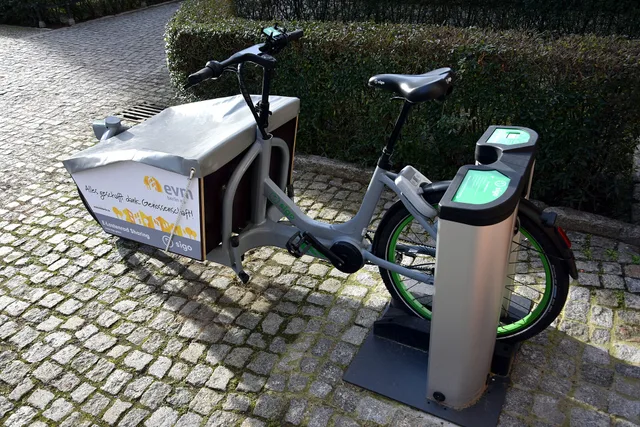
Seattle requires a business license tax certificate for business done in the city, renewed each year, and runs a separate Commercial E-Cargo Bike permit for electric cargo bikes. Portland has its own city business license tax. Ask each city whether a bicycle courier needs anything more, and see bike permits and insurance in Portland and Seattle.
Airport or seaport delivery calls for an access badge and vehicle inspection issued by the airport or port authority, not the city. Keep those credentials distinct from the ordinary city license.
How cargo can trigger additional rules
FMCSA cargo securement rules govern how a load is tied down, not what it contains. Securement is separate from licensing, and those rules do not decide which items your business agrees to carry.
Your prohibited-goods list is an internal business document, not a license. It can name alcohol, prescription drugs, firearms, lithium batteries above the carrier limit, and hazardous materials as items you will not carry.
Alcohol delivery needs a state liquor permit and often a local endorsement; a city license alone does not authorize it. Hazardous materials carry their own federal registration and driver requirements. Prescription deliveries sit under the pharmacy's license and state pharmacy board rules, so ask the pharmacy what it requires of couriers, and review medical courier HIPAA compliance.
Insurance considerations for workers, shippers and vehicles
Commercial auto coverage insures the vehicle, while cargo insurance protects the goods in it, usually by load or vehicle. General liability addresses a trip-and-fall at a customer's door. These are separate policies, so one does not stand in for another; insuring a local delivery business covers premiums and gaps.
Workers' compensation is required in nearly every state once employees are on staff, though the trigger varies. A 1099 arrangement does not remove that obligation where a state reclassifies the driver; check the employee or contractor test before relying on contractor status.
Shippers may request a certificate of insurance naming them as certificate holder. The contract sets coverage limits, not the state minimum. Confirm required coverage and limits with your state insurance regulator and a licensed broker.
Renewals follow different calendars. Insurance certificates expire with the policy, usually after 12 months, and a lapsed insurance filing suspends MC authority. City business licenses commonly renew each year; permit terms vary by state.
An example of a vehicle and route change
A 9,500-pound cargo van making restaurant supply drops within one city usually needs no FMCSA filing. The owner registers an LLC, gets a city business license, carries commercial auto, cargo and general liability coverage, and checks the state for any carrier permit.
Now the same van makes a weekly trip across the state line. Because the van is rated below 10,001 pounds, it still generally needs no USDOT number or MC authority. The owner confirms that with FMCSA or the state DOT, keeps the insurance in place and watches state rules on both sides of the border.
The picture changes if the business buys a 12,000-pound box truck for the same run. That truck is a commercial motor vehicle. For-hire interstate work then means Form OP-1 and its $300 fee, a free USDOT number, a UCR registration for a one-vehicle fleet, and the $750,000 insurance filing. The route did not change; the vehicle did.
Organizing requirements and renewals
Work through the sequence in how to start a local delivery business, then confirm each requirement with the issuing authority. Name that authority when you check a rule rather than relying on a blog summary, since vehicle, route, city and cargo can lead to different requirements. A local delivery compliance checklist can serve as the working list, and the compliance side of a local delivery business covers the wider picture.
Put every license, permit and insurance certificate in one calendar with a renewal date and a named owner. Review it monthly. A lapsed cargo policy or suspended authority is usually discovered at the worst moment.