Guides
Insuring a local delivery business: policies, premiums and gaps
Commercial auto, cargo, general liability and workers' comp cover a delivery fleet, and each policy leaves a gap the next one does not close.
What to take away
- A delivery business usually carries four policies at oncecommercial auto, motor truck cargo, general liability, and workers' compensation.
- Cargo coverage pays for goods in your custody; general liability pays for injury and property damage you cause at a customer's door.
- Premiums are quoted per vehicle on mileage, radius and driver records, and the ranges below show what a small fleet pays.
- Certificates of insurance expire on their own dates, not on your renewal date, and a lapsed certificate can stall a contract.
- Confirm limits, exclusions and filing rules with your state insurance department through the NAIC state insurance department directory, and with a licensed broker before you sign a customer contract.
The four policies a delivery operation actually carries
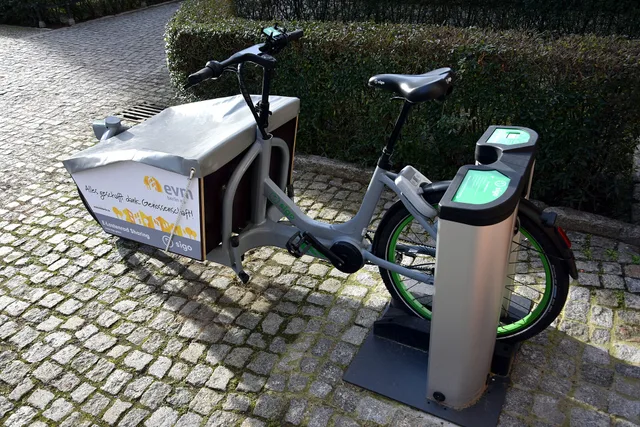
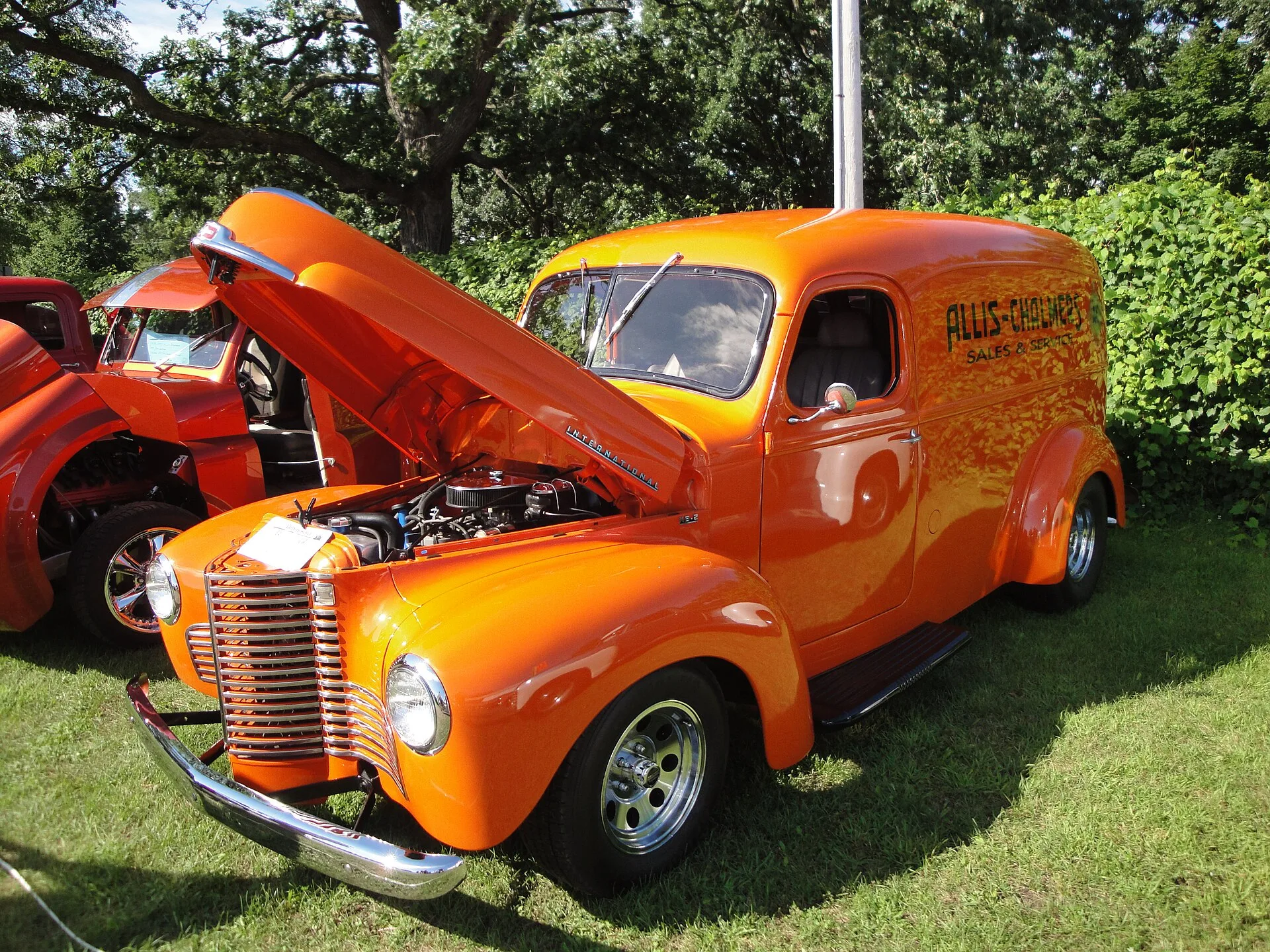
Commercial auto covers the vehicle while it is working. A van on a route, a cargo bike rider, or a box truck on a highway run all sit under this policy. It responds to at-fault collisions, injuries to others, and damage to the vehicle itself.
What Each Policy Covers
Commercial auto
- Covers
- Vehicle at work
- Trigger
- At-fault collision
- Required
- For fleet vehicles
- Gap it leaves
- Rented or borrowed vans
Cargo
- Covers
- Freight in custody
- Trigger
- Damage, theft, loss
- Required
- Shipper may ask
- Gap it leaves
- Excluded goods
General liability
- Covers
- Off-vehicle incidents
- Trigger
- Trip, dent, fall
- Required
- Most operations
- Gap it leaves
- Vehicle damage
Workers' comp
- Covers
- Employee injuries
- Trigger
- On-the-job injury
- Required
- Once you have employees
- Gap it leaves
- 1099 contractors
Motor truck cargo covers the freight. When a parcel is in your custody and it is damaged, stolen, or lost, cargo coverage responds, and it is the policy a shipper will ask about first.
General liability covers what happens off the vehicle: a driver who trips on a customer's steps, a hand truck that dents a lobby door, a delivery left where someone falls over it.
Workers' compensation covers employees injured on the job. In most states it is required once you have employees. New York requires it for any employer with one or more employees, including part-time help, while Georgia generally does not require it until an employer reaches three. Check your own state's threshold with the state insurance department before classifying anyone.
A fifth policy appears only in some operations. Hired and non-owned auto extends coverage to vehicles you rent or borrow, and it matters if drivers use their own cars.
Where premiums come from
A broker prices commercial auto on the vehicle type, the radius of your routes, annual mileage, the drivers' records, and the value of the vehicle. A cargo quote follows the value of the goods you carry and the limit you choose. General liability prices on revenue and the type of premises you enter.
Typical annual market ranges for a small courier fleet sit near $1,500 to $4,000 per van for commercial auto and $500 to $2,500 for motor truck cargo on $50,000 to $250,000 of limit. General liability runs about $500 to $2,000 on a $1 million per occurrence limit.
The bottom of the auto range fits a clean driving record, a ten-mile radius, a $1,000 deductible and a paid-off van. The top fits an at-fault accident in the past three years, interstate lanes, a $250 deductible and a new vehicle.
Workers' compensation is priced per $100 of payroll at a class rate the state rating bureau or NCCI publishes, so the premium follows payroll and the drivers' class code rather than revenue.
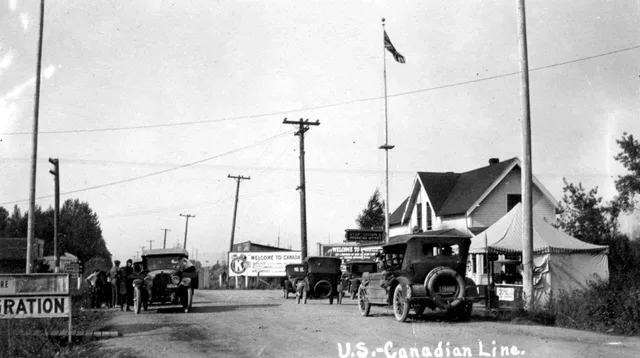
Filing rules differ by state. An interstate for-hire carrier of general freight files a minimum of $750,000 in public liability with the Federal Motor Carrier Safety Administration under 49 CFR 387.9. A carrier that stays inside one state meets that state's minimum limits, such as California's 15/30/5 or Texas's 30/60/25.
Two levers move a premium more than the rest. The first is driver records, because one at-fault accident or a DUI on a driving record raises the quote for the whole fleet. The second is the radius, because a business running a ten-mile zone prices differently from one running interstate lanes.
Ask the broker for the arithmetic in writing. If the quote is X dollars per vehicle per year at a stated mileage and radius, you can test what happens when you add a van or extend a route before you commit.
The gaps that show up in claims
The most common gap is a personal auto policy on a commercial route. Personal policies exclude delivery work, so a driver using their own car for a customer's parcels has no coverage for that trip.
Four Gaps That Cause Claim Denials
- Personal auto policy used on a commercial route
- Expired certificate of insurance on file
- Excluded goodalcohol, pharma, hazmat, electronics
- Unlisted driver, including part-time and seasonal help
The second is an expired certificate. A customer's contract may require proof of insurance on file, and certificates carry their own expiration dates. A certificate that lapses quietly can put a contract at risk before anyone notices.
The third is an excluded good. Cargo policies list what they will not carry, and alcohol, pharmaceuticals, hazardous materials and high-value electronics often sit on that list. If a customer asks you to move one of those, the cargo policy may not respond.
The fourth is an unlisted driver. Every driver who touches a company vehicle needs to be on the policy, including part-time and seasonal help. An accident involving an unlisted driver is a coverage dispute.
Tracking certificates
The certificate names the customer as the certificate holder, and your insurer or broker issues it. Proof of coverage inside the vehicle is a separate card, and it does not replace the customer's certificate.
Record the expiration date printed on the certificate, not your policy renewal date. Set a calendar reminder 30 days before it, and reissue the certificate after any change of vehicle, driver or limit. When a certificate lapses, the customer can suspend the contract until a new one arrives.
What the regulators and agencies publish
The Federal Motor Carrier Safety Administration: Cargo Securement Rules sets the performance standard for securing loads in interstate operation, and a cargo claim often turns on whether the load was secured to that standard.
The Occupational Safety and Health Administration: Safety Management covers the employer duty to find and fix workplace hazards. Employers with more than ten workers must keep injury and illness records on OSHA 300 logs.
The U.S. Department of Justice: ADA Guide for Small Businesses explains accessibility duties at customer premises, including barrier removal and accessible routes, which is where a general liability claim about a delivery location can start.
None of the three sets your coverage limits or your filing rules. Your state insurance department does that, and the NAIC publishes a directory that lists every one of them. A licensed broker then reads your operation against those rules.
Worked example: pricing a two-van operation
Take a courier running two vans in a ten-mile zone, 18,000 miles each per year, two full-time drivers with clean records, and a cargo limit set at the value of a typical load.
Commercial auto prices on two vehicles at that mileage and radius. Cargo prices on the limit and the goods carried. General liability prices on annual revenue. Workers' comp prices on payroll for two employees.
Using the middle of those market ranges, the auto line lands near $2,750 per van, so roughly $5,500 for the pair, cargo near $1,500 and general liability near $1,250. Workers' compensation stays a payroll line, not a flat figure.
Now change one variable. Add a third van and a third driver, and the auto premium rises by roughly the per-vehicle rate the broker quoted. Add a route that crosses a state line, and the radius changes, which can change the rate class for the whole fleet.
The point of the exercise is not the total. It is knowing which variable moves the number before a customer contract locks you into a price you quoted without it.
Read next: Local delivery business hiring done properly.
Read next: What a local delivery business must be licensed for.
Common questions
Does a personal auto policy cover a delivery driver?
No. Hired and non-owned auto coverage, or a commercial policy on the vehicle, closes that gap.
What does cargo insurance cover?
Cargo insurance pays for goods in your custody that are damaged, stolen, or lost in transit, up to the limit you buy. It usually excludes alcohol, pharmaceuticals, hazardous materials and high-value electronics, so check the exclusion list against what you actually carry.
Is workers' compensation required for delivery drivers?
Most states require it once you have employees, and the threshold differs by state. The test for a 1099 contractor is a classification question for a CPA, not an insurance one.
How often should certificates be reviewed?
Review every certificate before it expires, not on your own renewal date, because the two dates do not match. Keep a calendar entry for each customer requirement and each driver on the policy, and recheck after any vehicle or route change.