Guides
Local delivery compliance checklist before you accept a job
A local delivery compliance checklist to run before you accept a job: who holds custody, what you refuse, which vehicle rules apply and whether the route pays.
What to take away
- Run the checks per job, not once per business. Custody, goods, vehicle and route each change the rules that apply.
- Custody decides the paperwork. A parcel you carry end to end needs different records than one a customer hands you at the curb.
- Write down what you will not carry. A refused load costs one conversation; an accepted one can cost a license.
- Vehicle class drives licensing and insurance. A cargo bike, a Sprinter, and a box truck sit in different rule sets.
- Cost-per-stop math tells you whether a route pays before you sign the contract.
- Confirm licensing with your state DOT, tax questions with a CPA, and coverage limits with a licensed broker.
Ask who holds custody
Custody is the line that separates a courier from a delivery platform. If your driver signs for a parcel at pickup and signs again at drop-off, you hold the chain of custody and the liability that comes with it.
That makes custody the first question on any new job. Ask who hands the goods over, who signs for them, and whether the customer expects you to answer for what happens in between. The answer decides which records you keep and which cargo cover you need for goods in your custody.
This is general guidance on local delivery operations, not legal, tax, insurance, or safety advice. Rules depend on what you carry, who holds custody, which vehicle you use, and where you drive, so check with the authority that sets each requirement before you start service.
Write down what you will not carry
Keep a short refuse list and hold to it. Alcohol, pharmacy, cannabis, hazardous material, and high-value electronics each pull in a different regulator and a different insurance rider.
A refused load costs one conversation. An accepted one can cost a license, and by then the customer is waiting at the dock.
For anything crossing a border, US Customs and Border Protection sets classification and clearance. A licensed customs broker handles the entry; you do not guess a harmonized code.
Match the vehicle class to the job
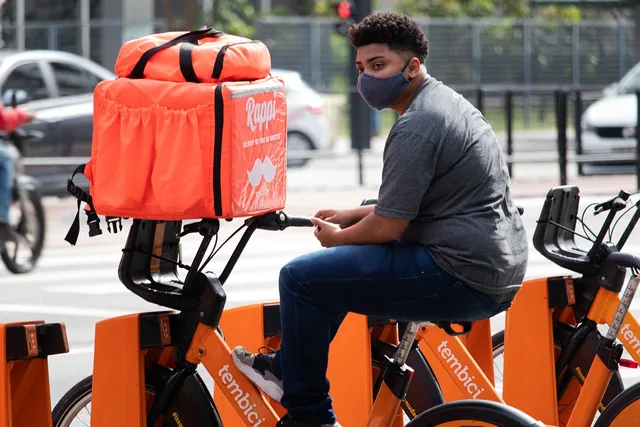
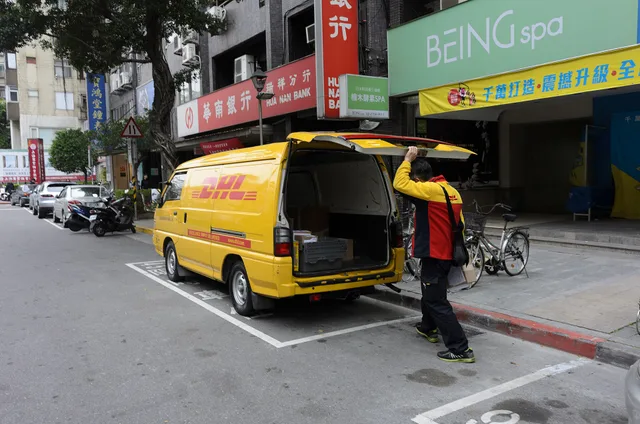
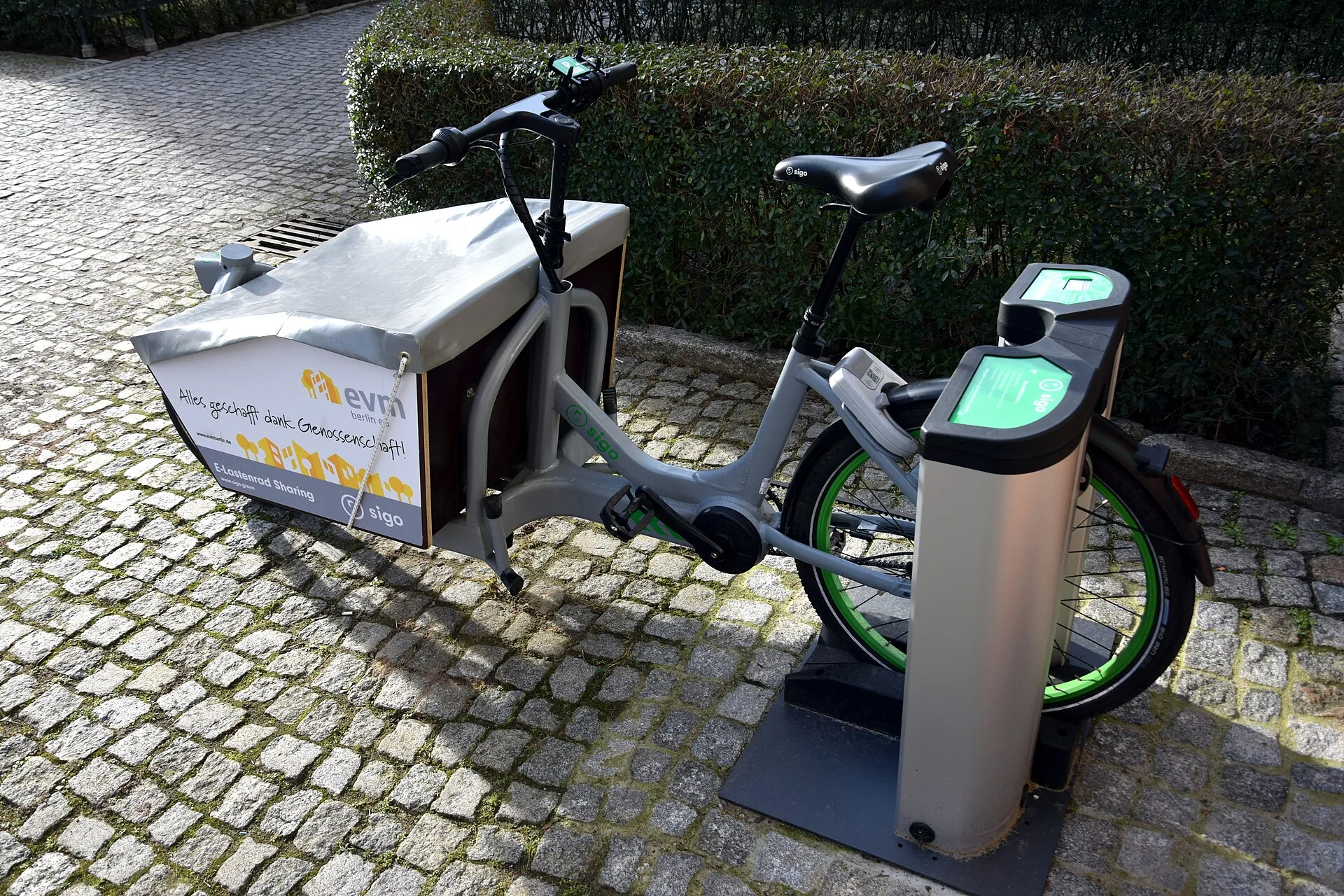
Vehicle class decides your licensing, your parking reality, and your insurance tier. A cargo bike in Portland or Seattle needs a bike courier permit from the city, not a DOT number. A van under 10,001 pounds gross vehicle weight sits differently than a box truck above it.
Check the load against the vehicle too. Read the cargo securement rule as a question about your own operation: does the load shift under braking, and can a single strap failure drop a parcel on a highway? A loose tote in a Sprinter is the same problem at city speed.
Applicability is the part to verify, not assume. Interstate versus intrastate, vehicle weight, and commodity all change which provisions bind you, and your state DOT is the authority for intrastate work.
Turn the answers into a screening table
Each answer above points to a different authority. Use the table as a one-page screen before a quote leaves the building.
| Screening question | What a yes changes | Who answers it |
|---|---|---|
| Do you sign for the parcel at pickup and at drop-off? | You hold chain of custody and its liability | A licensed broker, for cargo cover |
| Is the item on your refuse list? | A different regulator and insurance rider | That regulator, plus your broker |
| Does the run cross a border? | Classification and clearance apply | US Customs and Border Protection |
| Is it interstate for-hire carriage? | DOT and MC numbers | FMCSA |
| Does a cargo bike run it in a dense city? | A city bike courier permit | The city licensing office |
| Will the driver be W-2 or 1099? | Payroll taxes and workers' comp, or contractor control tests | A CPA, and the IRS |
Build the file before the first dispatch. The guide to licenses a local delivery business needs covers FMCSA authority, MC and DOT numbers, and state courier permits in detail.
Look up the federal items by name
For interstate work, the federal items have names you can search on the FMCSA site. Each applies only when the run, carrier type and vehicle weight put you inside it, so treat the table as things to confirm, not things you owe.
| Item | What it is | Confirm it applies when |
|---|---|---|
| USDOT number | Carrier identification issued by FMCSA, kept current through the MCS-150 report | You run commercial vehicles interstate |
| MC number and BOC-3 | For-hire operating authority, with a designated process agent filed on Form BOC-3 | You carry other people's goods for pay across state lines |
| Unified Carrier Registration | Annual registration of interstate carriers under the UCR plan | You are an interstate carrier |
| 49 CFR Part 387 | Minimum levels of financial responsibility, the insurance floor for carriers | You are a for-hire interstate carrier |
| 49 CFR Part 395 | Hours of service for commercial motor vehicle drivers | The vehicle is a commercial motor vehicle in interstate commerce |
| 49 CFR Part 393, Subpart I | Protection against shifting and falling cargo | The load rides on a commercial motor vehicle |
The limits that Part 387 sets are the floor. Your customer contract or a licensed broker may ask for more, and an intrastate run answers to your state DOT instead.
Price the route after the compliance costs
Route density is the operating number that matters most. Cost per stop equals your daily cost divided by stops completed. If a route runs twelve stops across forty miles, the miles eat the margin before payroll does.
Parking is a real line item in dense markets. Los Angeles citations on commercial vehicles accumulate fast, and a route that cannot legally stage has a hidden cost per stop.
Suppose a driver runs 40 stops in an 8-hour shift at $22 per hour, plus $18 in fuel and $6 in parking. Wages, fuel and parking together are the direct cost of the day.
If the contract pays $2.50 per stop, revenue is $100, which sits below that direct cost, so the route loses money before overhead. At $6 per stop, revenue is $240 and the route clears its direct cost with room left for vehicle, insurance, and dispatch.
Substitute your own wage, fuel, and parking figures. The arithmetic tells you the floor price before you negotiate, and the guide on how much to charge shows how to turn that floor into a quote.
Decide how the driver is classified
Driver classification is the fork in the road. A W-2 driver means payroll taxes, workers' comp, and your control over the schedule. A 1099 contractor means the driver sets their own route and hours.
On the contractor side, the IRS asks, under behavioral control, whether the company does control or have the right to control what the worker does and how the worker does his or her job. Read the contractor or employee guide first, then ask a CPA before you pick.
Check the counter and the app
The Justice Department's ADA guide for small businesses covers public accommodations. A counter, a pickup window, or a customer-facing app all fall inside it.
Barrier removal and accessible routes are the practical items, judged by what is readily achievable. The Justice Department's primer says the ADA requires that small businesses remove architectural barriers in existing facilities when it is readily achievable to do so.
OSHA's safety management guidance applies to your warehouse, your loading dock, and your drivers. The program it describes finds and fixes hazards before an inspection does: identify, control, train, verify.
Common questions
What should a new courier refuse to carry?
Anything that pulls in a regulator or an insurance rider you do not yet hold. Alcohol, pharmacy, cannabis, hazardous material, and high-value electronics are the usual candidates, so write them on the refuse list before the first quote.
Can I use 1099 drivers?
The IRS weighs behavioral control, financial control, and the working relationship. A driver who sets their own hours and route looks more like a contractor; one you schedule and direct looks like an employee. A CPA can judge the specific setup.
What insurance does a courier need?
Commercial auto, cargo coverage for goods in your custody, and general liability are the common three. Limits vary by contract and state, so a licensed broker sets them.
How do I price a route?
Divide your daily cost by stops completed to get cost per stop, then compare it to the contract rate. If the rate sits below cost, the route cannot be saved by volume alone.